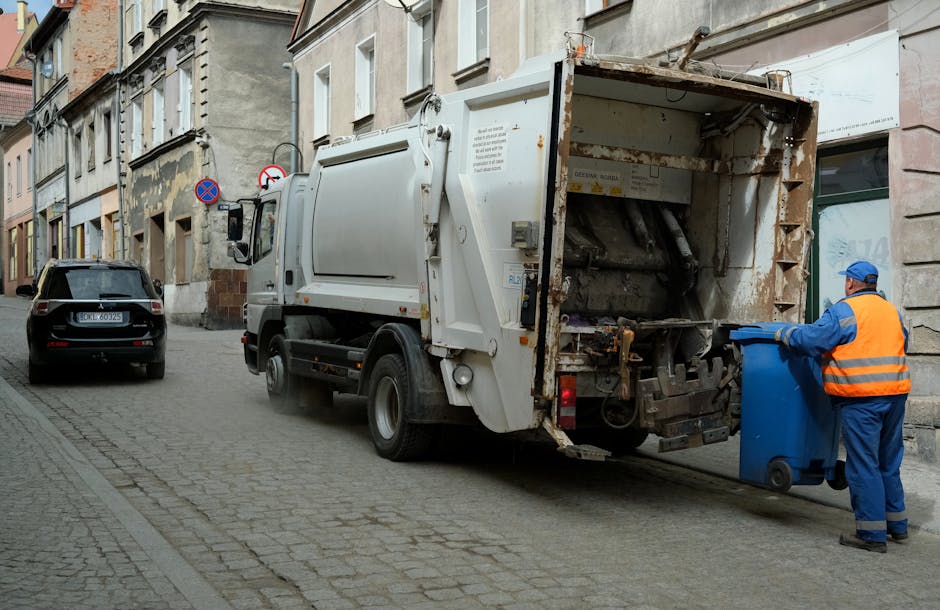
Kentish Town rubbish removal guide for NW5 streets
If you live, work, or manage a property in Kentish Town, rubbish removal can get awkward quickly. Narrow terraces, busy school runs, parked vans, tight mews, and the usual NW5 "just one thing after another" can turn a simple clear-out into a small logistical puzzle. This Kentish Town rubbish removal guide for NW5 streets is here to make it easier. Whether you are clearing a flat, a house, a shop store-room, or a post-refurbishment mess, the right approach saves time, reduces stress, and helps you avoid unnecessary mistakes.
Below, you will find a practical local guide to how rubbish removal typically works on NW5 streets, what to plan for, which materials need extra care, and how to choose the most sensible method for your situation. A lot of this is common sense, to be fair, but that is exactly what people forget when the bags start piling up by the door.
Key takeaway: On Kentish Town streets, the best rubbish removal plans are the ones that factor in access, timing, sorting, and responsible disposal before anything is lifted. Get those right and the rest is usually straightforward.
Table of Contents
- Why Kentish Town rubbish removal guide for NW5 streets Matters
- How Kentish Town rubbish removal guide for NW5 streets Works
- Key Benefits and Practical Advantages
- Who This Is For and When It Makes Sense
- Step-by-Step Guidance
- Expert Tips for Better Results
- Common Mistakes to Avoid
- Tools, Resources and Recommendations
- Law, Compliance, Standards, or Best Practice
- Options, Methods, or Comparison Table
- Case Study or Real-World Example
- Practical Checklist
- Conclusion
- Frequently Asked Questions
Why Kentish Town rubbish removal guide for NW5 streets Matters
Kentish Town is a busy, lived-in part of North London, and that matters more than people expect when it comes to waste removal. On some streets, you can get a van in and out with minimal fuss. On others, one parked car, a tight corner, or a ladder left across a narrow pavement can change the whole plan. If you have ever stood outside with a sofa, two bags of plasterboard, and a neighbour trying to reverse out of a bay space, you will know exactly what I mean.
Good rubbish removal is not just about "getting rid of stuff". It is about doing it safely, quickly, and in a way that fits the street. In NW5, that may mean thinking about:
- access for collection vehicles
- how far waste needs to be carried from the property to the road
- the type of waste being cleared
- noise, timing, and neighbours
- keeping entrances, stairwells, and pavements clear
It also matters because clutter builds pressure. A full hallway, a backlog of renovation debris, or a garage that you have been "meaning to sort out" for six months can make a property feel smaller and more stressful than it really is. The right removal plan gives you breathing room again.
For businesses, the stakes can be even higher. Stock rooms, offices, and hospitality spaces cannot stay half-cleared forever. You need a service that works around trading hours and does not leave the place looking like a sack race has broken out.
How Kentish Town rubbish removal guide for NW5 streets Works
In practical terms, rubbish removal in Kentish Town usually follows a simple pattern: identify the waste, decide what can be collected, prepare access, and arrange the pickup. The details are where the difference lies.
For a normal domestic clear-out, a team will usually assess the load by photos, item list, or an on-site visit, then confirm how much waste needs removing and what type it is. For example, a pile of mixed household items is very different from building rubble, old furniture, or electrical waste. Mixed loads can still be manageable, but they need sensible sorting and the right disposal route.
On NW5 streets, the collection method often depends on where the waste is stored. Is it on the third floor of a flat with one narrow staircase? Is it in a basement with a few awkward steps? Is it in a front garden behind a gate that only opens halfway? These little details decide how long the job will take and what equipment is needed.
If you are dealing with furniture, soft furnishings, or appliances, it helps to look at the relevant specialist pages first. For instance, old bedroom pieces may be better handled through furniture disposal, while worn-out sofas and mattresses are usually simpler to arrange through mattress and sofa disposal. If you are clearing a whole room or several rooms at once, house clearance or home clearance can be a more efficient fit.
That is the short version. The real-world version is usually a bit messier. One minute it is a couple of broken chairs. Next minute there is a hoover, three bags of old clothes, a shelf unit that has seen better days, and a fridge wedged behind a door that never quite opens properly. Happens all the time.
Key Benefits and Practical Advantages
There are a few obvious benefits to arranging rubbish removal properly, but the less obvious ones are often the most valuable.
- Less disruption: A well-planned collection keeps hallways, pavements, and front steps clear for longer than a rushed DIY attempt.
- Better time control: You are not losing an entire weekend doing multiple trips to a tip or trying to find a borrowed van.
- Safer handling: Heavy, sharp, awkward, or dusty items are moved with more care and less risk of injury.
- More suitable disposal: Different waste streams can be separated properly, which supports recycling and responsible disposal.
- Cleaner finish: When the last item is gone, the space actually feels finished, not half-done.
There is also the convenience factor. If you are juggling work, children, stairs, and the eternal problem of parking, the last thing you want is a waste job that spreads itself across two days. A proper removal plan can compress all that into a short, well-managed window.
And let's be honest: some things are simply better left to people who do this all day. A rusty fridge, a broken wardrobe, and a bag full of mixed renovation offcuts are not much fun at 7:30 on a damp Thursday morning.
If you are comparing providers or trying to work out what you might pay, the pricing and quotes page is a sensible place to start. For customers who want to book without much back-and-forth, the book online option can be useful too.
Who This Is For and When It Makes Sense
This guide is useful for a wide mix of NW5 residents and businesses. The common thread is that the waste is too much for normal household bins, too bulky for an easy lift, or too awkward to deal with alone.
Homeowners and tenants
If you are moving out, redecorating, or finally clearing the spare room, rubbish removal can save a lot of hassle. Tenants in particular often need to leave a property clean and emptied on a deadline. A rushed last-day clear-out is never as fun as it sounds.
Flat owners and renters
Flats can be tricky because there is less space to stage items and less room for error in stairwells and communal entrances. If that sounds familiar, a dedicated flat clearance service is often more practical than trying to do it yourself in stages.
Landlords and letting agents
When a tenancy ends, leftover items can range from one abandoned mattress to a full post-occupancy mess. A quick and tidy clearance helps reset the property for cleaning, inspection, and re-marketing.
Builders and renovators
Renovation jobs create waste fast. Plasterboard, timber, packaging, broken fittings, and mixed debris can clog up a site before the work is even halfway done. If your project is more than a few bags, builders waste clearance is usually the better route.
Offices and local businesses
Desks, chairs, filing cabinets, shelving, and general clutter can build up quietly until the workspace feels cramped and inefficient. For commercial settings, office clearance and business waste removal are often the right fit.
If the issue is a single bulky item rather than a whole pile, then a focused service may be enough. That could mean furniture clearance, fridge and appliance removal, or even a specialist visit for one heavy item that has become a daily annoyance.
Step-by-Step Guidance
If you want the cleanest possible process, follow a simple sequence. It sounds basic, but it really does prevent half the usual headaches.
- Identify the waste clearly. Separate furniture, electricals, garden waste, DIY debris, and general rubbish. You do not need to over-sort everything, but a rough breakdown helps.
- Check access. Think about stairs, gates, narrow hallways, distance from the collection point, and any parking issues nearby.
- Decide what must go now. Be decisive. If you keep saying "maybe later" about half the pile, the job gets bigger and more expensive.
- Take clear photos if you are requesting a quote. Good pictures reduce confusion and make the estimate more accurate.
- Remove anything personal or sensitive. Paperwork, devices, keys, bank documents, and similar items should be set aside first.
- Separate special waste. Appliances, hazardous materials, and bulky furniture may need separate handling.
- Choose a suitable collection time. On busy streets, earlier slots can reduce disruption and avoid the worst of local traffic and parking pressure.
- Clear the route to the load. A few minutes moving obstacles can save a lot more time later.
- Confirm what happens after collection. Responsible removal should include sorting for reuse, recycling, or disposal.
A small but useful tip: if you are clearing a loft, garage, or store cupboard, start nearest the exit. That way, the space opens up as you work and you are not climbing over stuff you have already sorted. Obvious, yes. Easy to ignore, also yes.
For attic or storage-heavy jobs, the relevant service page can help you plan better. Consider loft clearance or garage clearance if the clutter is sitting above or behind the rest of the home.
Expert Tips for Better Results
Here is the sort of advice people tend to appreciate once they have done a few clear-outs, or once they have had one that went a bit sideways.
Tip 1: Don't underestimate staircases. A bulky armchair that looks manageable in a room can become a real problem on a tight bend. If an item needs twisting, lifting, or carrying at arm's length, it will take longer than you think.
Tip 2: Check for mixed-material items. Wardrobes with mirrors, desks with metal frames, and appliances with hidden components can all complicate disposal. Mixed materials are normal, but they are not always simple.
Tip 3: Keep an eye on timing. A 20-minute load can easily turn into a 45-minute one if the route is blocked or the items are not grouped together. In our experience, a little prep saves more than people expect.
Tip 4: Think about noise and neighbours. Nobody loves the sound of furniture scraping on a landing at 6 a.m. On a street where sound carries, a gentle approach matters.
Tip 5: Ask what happens to reusable items. Not everything is waste. Some furniture, fittings, and household pieces can sometimes be diverted for reuse or separated for recycling. The recycling and sustainability page is worth a look if responsible disposal matters to you.
Tip 6: Don't leave hazardous items until the last minute. Paints, chemicals, fluorescent tubes, and similar items need special consideration. More on that below, because this is where people most often make avoidable mistakes.
Common Mistakes to Avoid
The biggest mistakes in rubbish removal are rarely dramatic. They are usually small decisions that snowball.
- Leaving everything until the deadline day. This makes access harder, increases stress, and leaves no room for a plan B.
- Mixing risky items into general waste. Not all waste belongs in the same pile.
- Forgetting building waste rules. DIY debris can be heavier and messier than it looks.
- Not measuring bulky items. A sofa that will not fit around the stair turn is not "probably fine". It is a problem waiting to happen.
- Assuming all waste can go the same way. Appliances, mattresses, furniture, and hazardous items often need different handling.
- Ignoring local access issues. On an NW5 street, parking and loading space can matter as much as the job itself.
Another common one: people forget to clear personal papers or digital devices before the team arrives. Then everyone pauses while you dig through a drawer full of receipts and old chargers. Mild chaos. Easily avoided.
If your clear-out involves confidential papers, confidential shredding is a much smarter option than throwing documents into mixed rubbish.
Tools, Resources and Recommendations
You do not need much equipment for a typical rubbish removal job, but a few basics make everything easier.
- Heavy-duty bags or boxes: Better for mixed small waste and loose items.
- Gloves: Useful for sharp edges, dusty surfaces, and unknown contents in old storage areas.
- Clear labels or tape: Handy if you are sorting what stays and what goes.
- Measuring tape: Worth having for bulky furniture and narrow access points.
- Phone camera: Good photos save time when arranging quotes.
For waste-specific planning, a few service pages can help you understand what category your items fall into. If you are clearing old white goods, use fridge and appliance removal. If the job is mostly worn-out bedding, mattress and sofa disposal is a better match than a generic load. For larger property clear-outs, house clearance often makes the process much smoother.
If you want more background on the company's approach, the about us page explains the business context, while insurance and safety and health and safety policy are useful for peace of mind. Those may sound like admin pages, but in a service like this they matter.
Law, Compliance, Standards, or Best Practice
Waste removal in the UK is not just about convenience. There are legal duties and best-practice expectations around safe handling, duty of care, and correct disposal. I will keep this plain English rather than turning it into legal small print.
The most practical point is simple: rubbish should be handled by a service that can move it on responsibly and keep a proper chain of care for the waste. That means the waste should not just disappear into thin air. It should be collected, sorted where appropriate, and taken to authorised disposal or recycling channels.
For hazardous or potentially harmful materials, extra care is essential. That includes some chemicals, certain DIY materials, and anything that could leak, react, or create a safety issue. If you suspect something is hazardous, treat it as such until confirmed otherwise. The hazardous waste disposal page is the right reference point for that kind of waste.
Best practice also includes:
- keeping walkways and communal areas clear
- avoiding damage to walls, banisters, and door frames
- protecting workers and residents from unnecessary risk
- using proper lifting methods for heavy items
- being transparent about what is included in the job
For business clients, responsible handling is even more important because premises often contain mixed waste streams and sensitive items. That is where business waste removal and office clearance can help keep things orderly and compliant with expected standards.
Options, Methods, or Comparison Table
There are a few common ways to deal with rubbish in Kentish Town. The best choice depends on volume, access, time, and the type of waste. Here is a simple comparison.
| Method | Best for | Pros | Watch-outs |
|---|---|---|---|
| Self-removal | Very small amounts of bagged waste | Low immediate cost, full control | Time-consuming, parking issues, repeated trips |
| Skip hire | Longer projects with space for a skip | Good for ongoing DIY or renovation work | Street space, permit considerations, loading limits, unsuitable for some materials |
| Man-and-van style collection | Bulky items, mixed rubbish, awkward access | Flexible, fast, less physical strain | Depends on access, item type, and volume |
| Specialist clearance | Furniture, appliances, builders waste, or whole-property clear-outs | More tailored, better handling of tricky waste | May cost more than basic disposal for tiny jobs |
If you are unsure about skip suitability, the what can go in a skip page is helpful. It is not always the right option, especially when the waste is a mixed or bulky load and you do not have ideal street space.
For people comparing methods, the truth is this: the cheapest option on paper is not always the cheapest in practice. Add time, transport, lifting, parking, and the risk of doing two trips instead of one, and the picture changes pretty quickly.
Case Study or Real-World Example
Here is a realistic kind of situation you see often in NW5.
A resident in a first-floor flat on a narrow Kentish Town street decides to clear out an old sofa, a broken coffee table, a mattress, a small bookcase, and several bags of miscellaneous clutter before a move. The front hallway is tight. The stairwell has a bend halfway down. There is no spare room to stage everything inside, and the street is already busy by mid-morning.
The sensible approach is to bundle the items in the flat as neatly as possible, separate the mattress from the furniture, and confirm access before the team arrives. Photos help, because a sofa that looks "medium sized" in a photo may turn out to be a bit of a beast in person. The team can then plan how to move items with minimal disruption, making sure the hallway stays open and the collection is over with before the day gets noisy.
What tends to go wrong in these situations is delay. The resident keeps one or two bits aside "just in case" and then ends up with a second round of sorting. Or they assume the mattress can be folded. It cannot. Well, not in any useful way. We have all seen the look people give a mattress after that realisation.
If the property had been larger, or the clear-out more comprehensive, flat clearance would probably have been the most efficient route. For an even broader job, home clearance or house clearance could have reduced the number of separate decisions needed.
Practical Checklist
Use this simple checklist before collection day. It keeps the process tidy and stops little problems from becoming big ones.
- Have I identified all the waste I want removed?
- Have I separated anything personal, confidential, or valuable?
- Have I checked whether any item needs specialist handling?
- Are access routes clear, including stairs, hallways, and gates?
- Have I taken photos or measurements for any bulky items?
- Do I know where the waste is currently stored?
- Is there enough space for loading without blocking everyone else in?
- Have I thought about timing and neighbour disruption?
- Do I know whether the job is a furniture, appliance, garden, building, or general clearance?
- Am I ready to ask about recycling or reuse where appropriate?
If the rubbish is coming from outdoors, you may also need a look at garden clearance. Garden waste is a bit of its own world, especially after a big tidy-up when bags of soil, branches, and broken planters suddenly seem to multiply overnight.
Conclusion
Rubbish removal on Kentish Town streets is usually straightforward once you factor in the local realities: tighter access, busy roads, mixed property types, and the simple fact that waste is often bulkier and more varied than it first looks. A good plan saves time, avoids damage, and makes the whole thing feel much less disruptive.
The safest way to approach it is to think ahead, sort what you can, understand the type of waste involved, and choose the method that genuinely fits the job. Sometimes that means a full property clearance. Sometimes it means one appliance, one sofa, or one awkward load that has been bothering you for too long. Either way, the goal is the same: a clean space and a calmer day.
If you are planning a clear-out and want a more tailored next step, take a moment to review the relevant service pages and ask for a quote that reflects your actual waste, not a guess. That little bit of care at the start usually pays off later.
Get a free quote today and see how much you can save.
And once the last bag has gone and the room suddenly feels twice as big, you will probably wonder why you did not do it sooner. Happens a lot.
Frequently Asked Questions
What counts as rubbish removal in Kentish Town?
It usually means collecting and disposing of bulky, mixed, or unwanted items that do not fit normal household waste routines. That can include furniture, appliances, general clutter, building debris, and some garden waste.
Is rubbish removal better than hiring a skip in NW5 streets?
It depends on the job. A skip can work well for longer DIY projects if you have the space. Rubbish removal is often better for tight streets, bulky items, or mixed loads because it avoids leaving a skip outside for days.
How do I prepare for a rubbish removal collection?
Sort the items roughly by type, clear access routes, remove valuables or personal documents, and take photos if you need a quote. A little prep goes a long way, honestly.
Can furniture and mattresses be removed together?
Yes, but they are often handled as separate waste streams or at least noted separately during the booking. If you have both, it helps to mention them clearly so the collection is planned properly.
What should I do with old appliances like fridges or washing machines?
Appliances usually need specialist handling because of their size and components. A dedicated appliance removal service is the safer and more sensible choice than leaving them to general waste.
Are there items that need hazardous waste disposal?
Yes. Certain chemicals, paints, solvents, and other risky materials may need extra care. If you are not sure, do not mix them into ordinary rubbish. Check first and treat anything suspicious with caution.
Can you help with full house or flat clearances?
Yes, those are often the most efficient way to handle larger clear-outs. Flat clearance is especially useful where access is limited, while house clearance suits bigger domestic jobs.
How much does rubbish removal usually cost?
Cost depends on the amount of waste, the type of items, access, and how much labour is involved. For a proper estimate, it is best to use the pricing and quotes information and provide accurate photos or a clear description.
Do I need to sort everything into separate piles before collection?
No, not usually. A rough sort is helpful, but you do not need to turn your hallway into a sorting centre. Just separate obvious special items and keep things accessible.
Is rubbish removal suitable for businesses in Kentish Town?
Yes. Offices, shops, studios, and other premises often need regular or one-off waste removal. Business waste removal and office clearance are useful where trading space needs to stay tidy and functional.
What if I only have one large item to remove?
That is still worth arranging. One bulky sofa, wardrobe, fridge, or mattress can be a real nuisance, especially on narrow stairs or in a flat. A single-item collection may be the simplest solution.
How do I know if a skip is the right choice?
Think about how much space you have, how long the waste will take to accumulate, and what type of rubbish you are dealing with. If you are unsure, it helps to check what can go in a skip and compare that with the nature of your load.