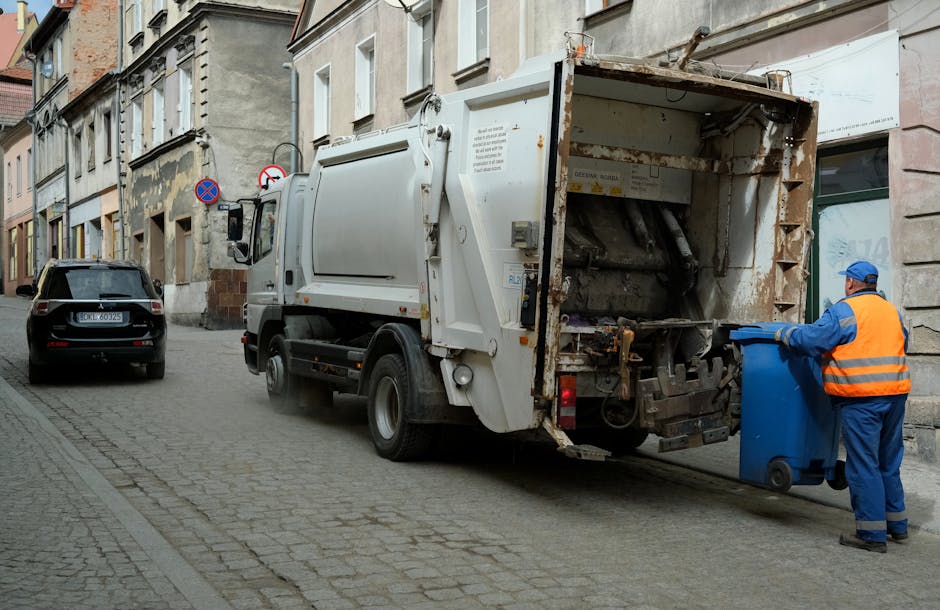
Commercial Waste Removal in Kentish Town

Commercial waste removal in Kentish Town needs a service that is practical, tidy and organised around the realities of busy premises. We handle the collection and disposal of business waste with attention to sorting, loading and responsible onward handling, so shops, offices, landlords and other organisations can clear unwanted material without disrupting the working day. The service is built around straightforward collections and clear communication, with a focus on removing mixed business waste, bulky items and general site clutter in a way that supports a clean workplace.
Our approach is suited to premises that generate recurring waste as well as one-off clearances. That can include office furniture, packaging, appliances, archived material, fixtures and general non-hazardous waste. Where items need separating before removal, we can organise collections with that in mind, helping to keep reusable and recyclable materials apart from residual rubbish. If you need commercial waste removal in Kentish Town, the aim is to make the process simple enough to plan around your staff, customers and opening hours.
The right service is usually the one that matches the type of waste, the access available and the amount of sorting needed beforehand. Different workplaces create different waste streams, so a storage room clearance is not handled in exactly the same way as an office strip-out or a retail refit. Use the sections below to see how the main kinds of business clearance work, what can be taken, and how to prepare for a quotation when you are ready.
Business waste collections for day-to-day premises

Business waste collections are often the simplest option for premises that need a practical reset rather than a full clearance. We can remove bagged rubbish, packaging, broken items and general non-hazardous waste that has built up in back rooms, storerooms or work areas. This kind of collection is useful when the waste is mixed but still manageable, and when you want the site cleared without waiting for a larger project to be arranged. It also suits organisations that need a one-off uplift after a delivery run, an internal move or a refresh of stock rooms.
When waste is already separated, collections can be arranged more efficiently. Cardboard, office papers, plastics and other materials may be easier to handle when grouped together, while heavier or awkward objects such as shelving and display units may need more careful loading. Clear access, honest descriptions and an accurate idea of volume help keep the work orderly. For a small branch or a larger workspace, the key is matching the collection to what is actually on site rather than treating every job as the same.
What a business collection can cover
Typical work in this area may include removing loose rubbish, office bags, broken storage units, packaging from deliveries, redundant equipment, chairs, desks, and unwanted fixtures that are no longer needed. Where suitable, we can also handle mixed loads from back-of-house areas, utility rooms or stock spaces. The purpose is to create usable space again without leaving you to piece together several separate clearances. If you are comparing options, our business collections are best thought of as a flexible uplift for ordinary commercial waste rather than a specialist demolition or hazardous waste service.
Office waste removal and workspace clearances
Office waste removal calls for care with layout, access and the nature of the items being taken away. Desks, chairs, cabinets, monitors, filing materials and general office clutter often need to be removed with minimal disturbance to other users of the building. We work with offices that are refurbishing, downsizing, consolidating departments or clearing out surplus furniture. The service can also support shared workspaces where equipment and household-type rubbish need to be removed in a controlled way.
One advantage of a targeted office clearance is that it can help separate reusable furniture from waste that should be dealt with as disposal. Paper records, old stationery, unwanted electronics and worn furniture all require different handling decisions. Confidential documents need special care, while appliances and screens may call for different disposal routes. If you are preparing a quotation request, a simple list of the main items is helpful, and so is an indication of access such as stairs, lifts or loading arrangements. That is usually enough to establish a sensible plan without creating extra work for your team.
For many workplaces, the real benefit is not only removal but order. A cleared office is easier to reorganise, restock and use efficiently, especially after a move or a change in layout. We can help remove the items that are no longer serving the space so that the remaining furniture and equipment can be arranged properly. If you need to request a quotation, start with the basic item types and approximate volume, then describe any awkward or heavy pieces that may affect loading.
Furniture disposal for commercial interiors
Furniture disposal is a useful option when a premises has accumulated items that are no longer suitable for day-to-day use. This might include desks, chairs, reception furniture, shelving, tables or storage units that are damaged, outdated or simply no longer required. Rather than leaving large objects in corridors or plant rooms, a planned removal helps restore safe circulation and frees up workable space. For businesses in Kentish Town, this can be especially relevant during refits, relocations and routine replacements.
We also deal with bulky items that can be awkward to move without the right approach. Office furniture often needs dismantling or careful handling to avoid damage to walls, flooring and doorframes. Good planning makes bulky removals smoother, particularly where access is shared with tenants, customers or building management. Items can be grouped by room, by type or by urgency, depending on how the site is organised. Where a mixture of good and worn items is present, it is sensible to sort beforehand so that the load reflects the actual furniture that needs to go.
Use a clear description of the furniture, the floor level and any restrictions on collection times when asking for a price. That makes it easier to quote for the work accurately and to decide whether the load can be taken in one visit or would benefit from a staged removal. If the furniture forms part of a wider clearance, the same collection can often include other commercial waste, but the important thing is to describe everything plainly so the booking matches the job on site.
Business furniture, fixtures and fit-out waste

Fit-out waste often includes more than old furniture. Shelving, counters, panels, small fixtures, packaging from new installations and redundant display elements may all need to be removed once a refresh or alteration is complete. This sort of work is common in retail, hospitality and office settings where layouts change over time. We handle commercial waste that needs to be lifted out cleanly and disposed of in a way that keeps the site as manageable as possible for the next stage of work.
Different materials can call for different handling decisions. Metal components, timber shelving, laminates, upholstered items and mixed construction debris should not always be treated as one pile. Sorting can save time later and can also make the collection more orderly. A useful way to think about it is: what still has a place in the premises, and what is ready to leave? That question usually helps identify the items that should be included in the load and the ones that should stay behind for reuse or storage.
Where fit-out waste has become spread across several rooms, a structured clearance can help bring everything back under control. We can remove the contents of one area at a time or deal with a more general pile of materials from across the premises, depending on what is easiest for access and loading. If the project has a deadline, it is sensible to flag that at the quotation stage so the work can be arranged in a way that fits the sequence of the wider refurbishment.
About Kentish Town
Kentish Town is a district in the London Borough of Camden, positioned between Camden Town to the south and Gospel Oak and Tufnell Park to the north. The area takes its name from the historic Kentish Town Road, a route that developed along an old corridor linking central London with the north. Over time it grew from a semi-rural settlement into a densely built urban neighbourhood, with housing, shops and local institutions shaping its present character. The area’s streets include terraces from the Victorian and Edwardian periods, later residential blocks and a varied mix of commercial frontages that reflect long-term city growth rather than a single planned estate. Kentish Town station sits on the High Barnet branch of the Northern line and the Thameslink route, making the district an important node in north London’s transport network. Beyond the main road, smaller streets reveal a quieter pattern of residential life, while the western side is influenced by the open ground of Hampstead Heath. The heath itself is one of London’s best known green spaces, with ponds, walking routes and wide views that have drawn visitors for generations. Kentish Town has also retained a recognisable local cultural identity through live music venues, pubs, independent shops and community facilities, all of which sit alongside everyday services and housing. This combination of transport links, varied building stock and established neighbourhood life gives the area a distinctly urban character without losing the feel of a lived-in local district.
Clearance planning, access and responsible handling

Good waste removal work starts with clear practical information. Access routes, loading points, floor levels and item types all affect how a collection should be arranged. In many premises, the most useful step is simply to group the items that are definitely going and separate anything that might be kept, reused or moved elsewhere. That makes the job easier to assess and helps avoid confusion on the day. If there are narrow corridors, shared entrances or time restrictions, it is worth mentioning those details early so the collection can be organised with them in mind.
We also take responsibility seriously when it comes to what happens after removal. Mixed commercial waste should not be treated as a single undifferentiated load if some of it can be separated for different handling routes. That is why sorting, lifting and disposal are part of the same process. Depending on the materials involved, some items may be better suited to recycling or specialist disposal pathways, while others are simply removed as residual waste. If your site includes items that need special consideration, it is best to identify them clearly from the outset rather than leaving them mixed in with general rubbish.
Two useful ways to prepare are straightforward: first, make a brief list of the main item categories; second, note any access issues that could affect loading. For a quotation, that is usually enough to begin the conversation. If your premises are ready for a clear-out, now is a good time to sort the load and choose the right collection window. You can keep the request simple and still provide all the information needed for a sensible estimate.
Office items, documents and equipment
Commercial clearances often involve more than furniture alone. Offices may contain archived papers, redundant filing, obsolete computer equipment, printers, small appliances and other items that have reached the end of their useful life. Handling this material well means thinking about categories rather than just volume. Paper records may need to be separated from hardware, while electrical items should not be thrown in with ordinary rubbish. A good clearance keeps those distinctions in mind from the start.
Confidential paperwork deserves particular care, and it is best identified before the collection rather than mixed in with other materials. The same applies to items with cables, batteries or components that need specific disposal routes. If your premises are reducing stored archive material or removing old workstations, it is useful to decide which objects are coming out and which are staying. That simple distinction saves time and helps create a clearer quotation. Our team can then focus on the items that actually need to leave the site, rather than working from assumptions.
Not every office clearance is a full strip-out; sometimes the task is simply to remove the surplus that has accumulated over time. That might include one storage room, a set of redundant chairs or a cluster of old desktop units. The work can be scaled to the size of the job, so a smaller collection does not need to be turned into a larger project. If you are in the middle of a move or a refit, the aim is to keep the workspace usable while the unwanted items are taken away.
Recycling and disposal choices for business waste
When commercial waste is removed, not every item follows the same route. Some materials are better suited to recycling, some to reuse, and some to disposal as residual waste. That is why the composition of the load matters. Cardboard, metals, timber, plastics, fabrics and electrical items each behave differently once they leave the premises. A responsible clearance process looks at those differences rather than assuming a single method for everything.
For businesses, this can be especially relevant after a redesign, move or equipment refresh. Old chairs, shelving and packaging may arrive at the end of a project together, even though they may not belong in the same waste stream. By separating items where practical, you give the collection a better chance of being handled appropriately. Careful sorting at the source is often the easiest way to keep the removal efficient and avoid last-minute uncertainty about what is included.
If you are comparing ways to clear a workspace, think about whether your priority is speed, separation or a combined approach. Some jobs are straightforward loads of general waste, while others involve a mixture of equipment, fixtures and mixed materials that benefit from being described carefully. A clear explanation at the quotation stage makes the final collection more predictable and helps ensure the work is matched to the actual contents of the premises.
Business premises cleared with practical timing
Many commercial collections are easiest when arranged around the flow of the working day. Shops, offices and shared buildings often need waste removed at a time that avoids disruption to staff, visitors or deliveries. That can mean planning around opening hours, building access or a refurbishment timetable. The most useful approach is to treat the waste as one part of the overall running of the premises, rather than as an isolated task that can happen without any coordination.
Where several kinds of waste are involved, a staged plan can be more effective than trying to manage everything at once. For example, furniture may need to come out before loose bags and packaging, or archive material may need to be separated before heavier items are moved. A careful sequence keeps the work orderly and can make loading safer and faster. Tell us what must stay in place, what can go first and whether there are any time limits; those points are more helpful than broad descriptions alone.
Commercial waste removal should leave the site easier to use, not more complicated to manage. That is why the shape of the job matters as much as the amount being taken. Whether you need to clear a few bulky items or a mixed load from several rooms, the objective is the same: a sensible, tidy removal that fits the premises and the schedule. When you are ready, ask for a quotation and describe the items in plain terms so the job can be set up properly.
Request a quotation for commercial waste removal
If you are planning commercial waste removal in Kentish Town, the easiest way to begin is with a short description of the items, the access available and the kind of premises involved. You do not need to write a long brief; a practical summary is usually enough. Mention whether the waste is mainly office furniture, business rubbish, fit-out material or a mixed load, and say if there are stairs, lifts, loading restrictions or other access points that matter. That gives a clearer starting point for the quotation.
We can then look at the scale of the job and the type of collection needed, whether it is a small office uplift, a larger premises clearance or a grouped removal of furniture and general waste. Where there are several categories of material, it helps to separate them in your notes so the request reflects what is actually on site. If the load includes items that need special handling, identify them plainly and keep the description accurate rather than broad. That usually leads to a more useful response and a more organised collection.
When you are ready, send the details through and request a quotation. If your waste is mixed, bulky or spread across more than one room, include that in your notes so the plan can account for it. A straightforward summary is the best place to start, and it is usually enough to move from an initial enquiry to a practical commercial clearance.